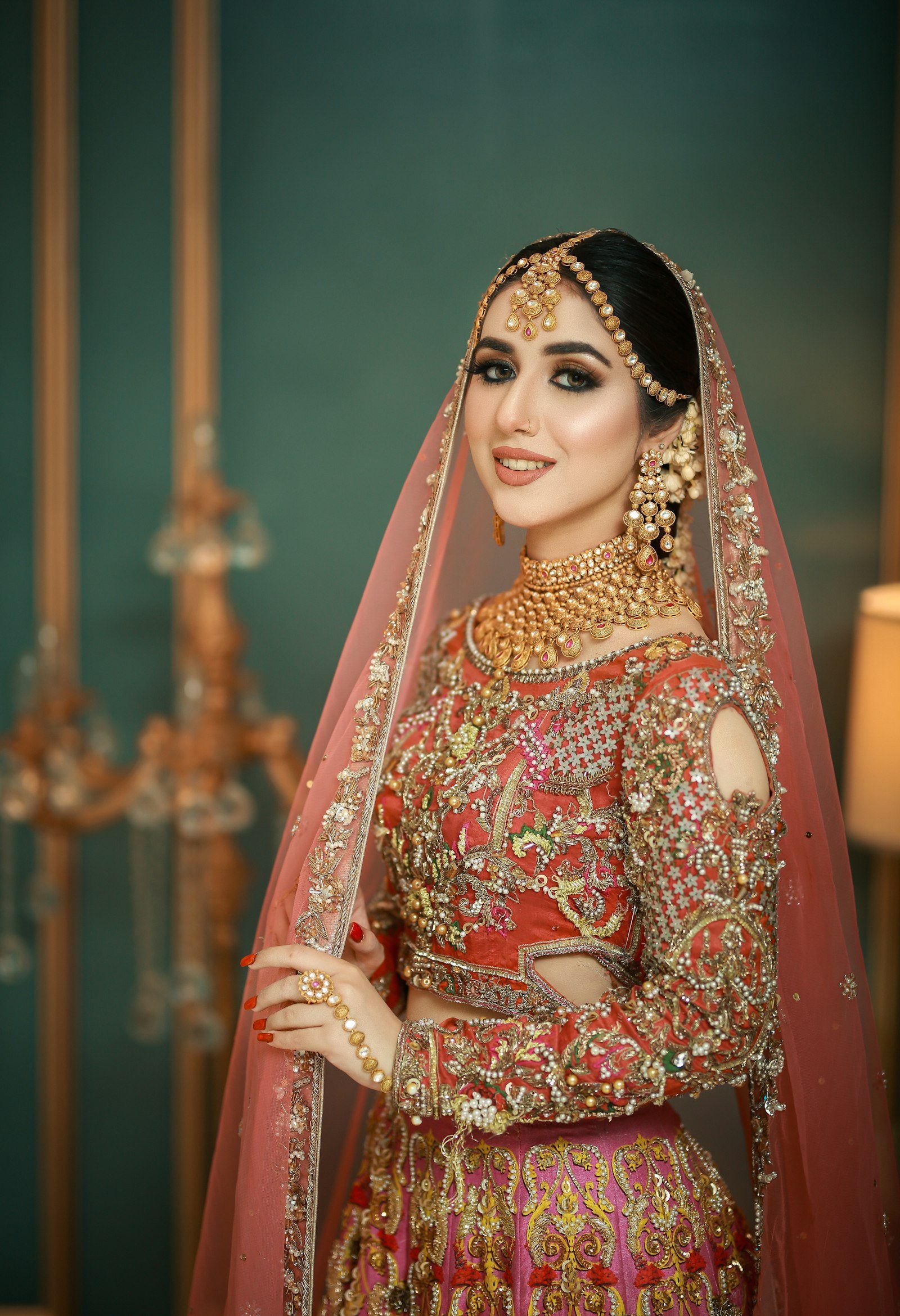
Marriage in Pakistan brings together religion, law and family custom. Whether the wedding takes place in a big city like Lahore or Karachi or in a small village, a few legal steps are the same for everyone. Knowing them protects both the bride and the groom and saves families a lot of trouble later, especially when applying for a CNIC update, a passport or a visa.
Quick facts
- A Muslim marriage (Nikah) must be registered with a Nikah Registrar appointed by the Union Council.
- Free consent of both the bride and the groom is required. Forcing anyone into marriage is a crime.
- Minimum age rules differ by province. Islamabad and Sindh set 18 for both boys and girls.
- After registration, families can get a NADRA computerised Marriage Registration Certificate (MRC).
Who can marry: age and consent
Consent is the foundation of a valid marriage. Islam and Pakistani law both require that the bride and the groom agree freely. Forced marriage is punishable under the Pakistan Penal Code, and a marriage arranged against a woman’s will can be challenged in court.
The minimum age is set by provincial and federal law. Sindh raised the age to 18 for both boys and girls in 2013, and the Islamabad Capital Territory passed a similar law in 2025. In some other provinces the older law still allows girls to marry at 16. Because these laws are changing, families should check the current rule in their own province with the Union Council before fixing a date. Doctors and child-rights groups strongly advise waiting until both partners are at least 18.
The Nikah Nama: read every column
The Nikah Nama is the official marriage contract. It is filled in at the Nikah ceremony by the Nikah Registrar and signed by the bride, the groom, their representatives (wakeel) and witnesses. Many families sign it without reading, which is a common mistake.
- Haq mehr (dower): the amount, whether it is paid immediately (muajjal) or later (ghair muajjal), and any property given as mehr.
- Delegated right of divorce (talaq-e-tafweez): a column the bride’s family can discuss and fill in clearly instead of crossing out.
- Existing marriages: if the groom is already married, the law requires written permission from the Arbitration Council before a second marriage.
- Names and CNIC numbers: check spellings carefully, because the same details will appear on the NADRA certificate.
Documents you will usually need
- Original CNICs of the bride and the groom, plus photocopies
- CNICs of the witnesses and the wakeel
- Recent passport-size photographs
- For a second marriage, the Arbitration Council permission letter
- For a divorced or widowed person, the divorce certificate or death certificate of the former spouse
Registration and the NADRA marriage certificate
After the Nikah, the Nikah Registrar sends the form to the Union Council. The family can then apply for a computerised Marriage Registration Certificate issued through NADRA. This certificate is needed to update the wife’s CNIC, to get a Family Registration Certificate, and for almost every spouse visa application abroad, including for the UAE, Saudi Arabia, the UK and Canada.
Wedding traditions across Pakistan
Customs vary from Punjab to Sindh, Khyber Pakhtunkhwa, Balochistan and Gilgit-Baltistan, but most weddings follow a familiar pattern:
- Dholki: evenings of songs and drums at the bride’s home in the days before the wedding.
- Mayun and Mehndi: the bride wears yellow, and henna is applied to her hands with music and dancing.
- Baraat and Nikah: the groom’s family arrives, the Nikah is performed and the bride leaves her parents’ home in the rukhsati.
- Walima: the reception hosted by the groom’s family, considered a Sunnah.
A note on dowry and expenses
Heavy dowry (jahez) and expensive functions put pressure on many families, especially in rural areas. Pakistani law restricts dowry and display of gifts, and many religious scholars encourage simple weddings. Agreeing on expenses openly before the engagement is one of the best ways to start a marriage without debt or resentment.
Before you fix the date
Talk about education, work, where the couple will live, and health. A thalassemia carrier test for both partners is strongly recommended in Pakistan, as it can prevent serious illness in children. Read our pre-marriage checklist for a full list.
This article is general awareness, not legal advice. For a specific case, contact your Union Council or a family lawyer.
Leave a Reply