Category: Marriage Guides

Practical guides for families and couples preparing for marriage.

  • Questions to Ask Before Marriage: A Practical Checklist for Families and Couples

    Questions to Ask Before Marriage: A Practical Checklist for Families and Couples

    A good marriage starts with good conversations. In many South Asian and Gulf families, introductions are arranged by elders, but the questions below help both families and the couple make a confident, informed decision.

    Quick facts

    • Use this checklist after the first introduction and before the engagement.
    • Ask questions politely and in the presence of family.
    • Write down important agreements, and include key conditions in the Nikah Nama or marriage contract.

    Values and faith

    • How important is religious practice in daily life for each of you?
    • What values do you want to teach your future children?
    • How do you handle disagreements in your family today?

    Education and career

    • Does either of you plan further studies?
    • Will both partners work after marriage? Is anyone expected to stop working?
    • Is moving to another city or abroad, for example to Dubai or Saudi Arabia, part of the plan?

    Money matters

    • What is each person’s income and are there any loans or debts?
    • How will household expenses and savings be managed?
    • What will the wedding budget be, and who pays for what? Agree that there will be no dowry demands.
    • What is the agreed haq mehr or mahr, and when will it be paid?

    Living arrangements

    • Will the couple live with the joint family or separately?
    • Who will help with household work and, later, childcare?
    • How often will the couple visit each other’s families?

    Health

    • Have both partners taken a thalassemia carrier test? In Saudi Arabia and for UAE citizens, premarital screening is compulsory; in Pakistan and India it is strongly recommended.
    • Are there any long-term medical conditions the other family should know about?
    • How do you both feel about family planning?

    Background checks the respectful way

    • Meet the family at home more than once.
    • Speak to mutual relatives, neighbours or colleagues you trust.
    • Verify the job and education where possible, especially for proposals from abroad.
    • Be careful of anyone who asks for money. Read our scam warning guide.

    Legal documents

    • Check that both partners meet the minimum legal age in your country.
    • Prepare ID cards, photographs and any divorce or death certificates if needed.
    • Plan registration: Union Council and NADRA in Pakistan, the Marriage Registrar in India, family courts in the UAE, and the Ministry of Justice in Saudi Arabia.

    Most important: consent

    Ask the girl and the boy separately whether they are happy with the match. Their honest yes is the strongest foundation any family can give.
  • Modern City Life and Marriage: What Young Women Want Families to Know

    Modern City Life and Marriage: What Young Women Want Families to Know

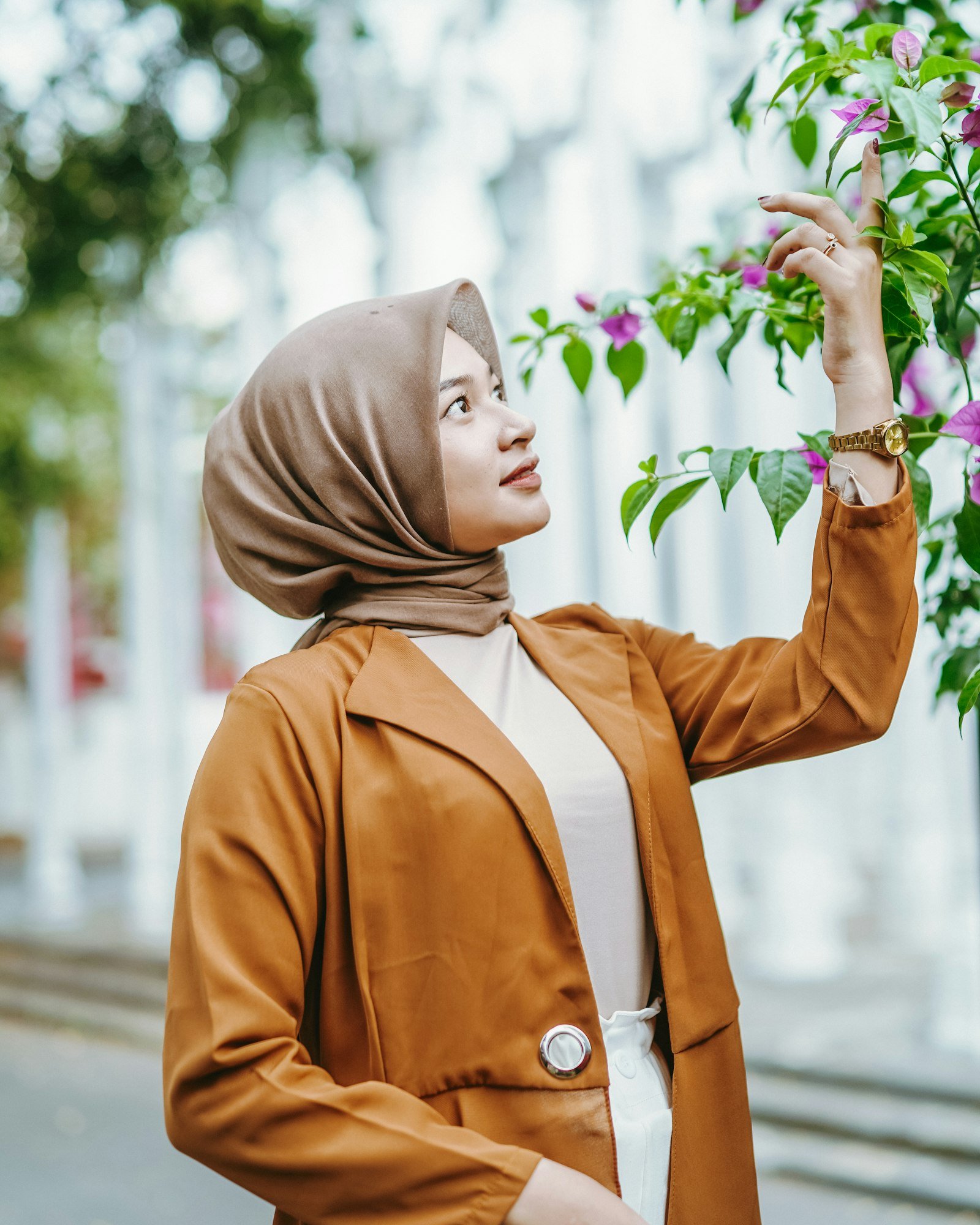
    Young women in cities like Lahore, Karachi, Delhi, Mumbai, Dubai and Riyadh are studying further and building careers more than any generation before them. Most still value family and want their parents’ blessing, but their idea of a good marriage has grown. Here is what many of them hope families will understand.

    Quick facts

    • Most young women want to be part of the decision, not just informed about it.
    • Career and education plans are now a normal topic before engagement.
    • Shared responsibility at home is an important expectation for many couples.
    • Honest conversation early avoids disappointment later.

    1. A voice in the decision

    Many young women are happy with an arranged introduction. What matters is that they can meet the person in a respectful family setting, ask questions and say no without pressure. Consent is not only a legal requirement; it is the base of trust.

    2. Support for studies and work

    Doctors, teachers, engineers, bankers and entrepreneurs do not want to give up their work because of marriage. Discussing this before the engagement, and even writing important conditions in the Nikah Nama or marriage contract, can prevent conflict later.

    3. Sharing the home, not just the house

    City life is busy. Long commutes and work hours mean that household work and childcare need to be shared. Couples who agree on this in advance usually report fewer arguments.

    4. Living arrangements

    Joint family or separate home? Both can work. What causes problems is assuming the answer without discussing it. The same is true for moving abroad for work, which is common for families with members in the UAE and Saudi Arabia.

    5. Money and simplicity

    Many young people prefer a simpler wedding and a stronger start, such as savings for a home or further education, rather than spending years of income on one week of functions.

    6. Respect and safety

    Respect for each other’s families, no violence, and no control over phones, friends or earnings: these are basic expectations, not special requests. Families should treat any early warning signs seriously.

    For parents

    Listening to your daughter or son does not reduce your role. It makes your guidance more valuable. Try our pre-marriage checklist to start an open conversation at home.

  • Marriage in Saudi Arabia: Contract, Premarital Screening and Customs

    Marriage in Saudi Arabia: Contract, Premarital Screening and Customs

    Saudi Arabia is home to a large community of Pakistani, Indian and other expatriate families, and many people are curious about how marriage works there. In recent years the Kingdom has modernised its family law, made marriage contracts digital, and strengthened protections for women.

    Quick facts

    • The Personal Status Law of 2022 sets 18 as the age of marriage, with court oversight for any exceptions.
    • A woman’s consent is required, and the marriage contract must be documented officially.
    • Premarital medical screening is mandatory before the contract.
    • Saudi citizens need official permission to marry a foreign national.

    The Personal Status Law

    Saudi Arabia’s first codified Personal Status Law came into effect in 2022. It brought clear written rules for engagement, marriage, mahr, custody and divorce. Key points for marriage include:

    • The age of marriage is 18. Any marriage below this age needs the court’s approval, which is given only when it is in the person’s interest.
    • The bride’s consent is a condition of the marriage.
    • The mahr belongs to the wife, and she can include conditions in the contract, for example about studying or working.
    • The contract must be documented, which protects both partners in matters such as inheritance and the children’s records.

    How the marriage contract is registered

    Marriage contracts are concluded by a licensed marriage officer (ma’dhoon) and registered with the Ministry of Justice. Many steps, including booking and documentation, are now handled through the Ministry’s digital Najiz platform. The bride and the groom, the bride’s guardian and two witnesses are normally required.

    Premarital medical screening

    Before the marriage contract can be completed, both partners must take a premarital screening test at an approved health centre. It checks for inherited blood disorders such as sickle cell disease and thalassemia, and for certain infectious diseases. The results are shared with the couple to help them make an informed decision. The Ministry of Health provides counselling for couples with a high-risk result.

    Marriage involving foreigners

    • Saudi citizen and a foreigner: official permission is required in advance, and there are conditions about age, income and the foreign partner’s legal status.
    • Two expatriates: foreign couples often marry through their own embassy, or at a Saudi court if both are Muslim, and then register the marriage in their home country.

    Pakistani couples usually attest the marriage contract through the Saudi Ministry of Foreign Affairs and the Pakistani embassy, and then register it with NADRA. Indian couples follow a similar process with the Indian embassy.

    Traditional customs

    Saudi weddings differ by region, but common elements include:

    • Khutbah: the formal proposal between the two families.
    • Milka: the signing of the marriage contract, often a small family gathering.
    • Henna night: a celebration for the bride with her female relatives and friends.
    • Zawaj (wedding night): a large celebration, often with separate halls for men and women, Arabic coffee, dates and traditional dances like the ardah.

    Protect yourself from fraud

    Be careful with online offers promising marriage with a “Saudi-based groom” in exchange for fees or visa processing. Genuine families never ask for money to arrange a match. Learn the warning signs in our scam awareness guide.

    This article is general information, not legal advice. For your situation, consult the Ministry of Justice services or a licensed Saudi lawyer.

  • Marriage in Dubai and the UAE: Rules for Citizens and Expats

    Marriage in Dubai and the UAE: Rules for Citizens and Expats

    Millions of Pakistani, Indian and Arab families live and work in Dubai and across the UAE. Many couples want to marry there instead of travelling home. The UAE updated its family law in 2025, so it is worth understanding the current rules before planning a wedding.

    Quick facts

    • The Federal Personal Status Law that took effect in April 2025 sets the minimum marriage age at 18.
    • Muslim marriages are registered through the family courts (for example, Dubai Courts).
    • Premarital medical screening is required for UAE citizens and is commonly requested for other couples marrying in court.
    • Non-Muslim expats can choose civil marriage in Abu Dhabi or marry through their embassy or place of worship.

    The new Personal Status Law

    Federal Decree-Law No. 41 of 2024 came into force on 15 April 2025. Among the main changes for marriage:

    • The minimum age for marriage is 18 for both men and women.
    • A woman’s consent is essential. If her guardian refuses a suitable match without good reason, she can ask the court to allow the marriage.
    • When there is a very large age difference between the partners, the court must approve the marriage first.
    • Gifts given during engagement can, in some cases, be returned if the engagement is broken.

    Marriage for Muslim expats in Dubai

    Muslim residents, including Pakistani and Indian expats, can usually marry at a UAE family court. The marriage contract is concluded by an authorised marriage officer and registered officially.

    Documents commonly asked for include:

    • Valid passports and Emirates IDs of the bride and the groom
    • Proof of residence in the UAE
    • The bride’s guardian (wali) and two adult Muslim male witnesses
    • Premarital medical screening results from an approved health centre
    • For previously married persons, a divorce or death certificate, attested where required

    Rules and fees change from time to time, so always confirm with the court or the official u.ae portal before you book.

    Civil and non-Muslim marriages

    Abu Dhabi offers civil marriage for non-Muslim residents and visitors through its civil family court. Other options are marrying through your country’s embassy or consulate, or at a recognised church or temple. Hindu and Sikh couples from India often register through the Indian consulate or a recognised community body.

    Getting your marriage recognised back home

    If you marry in the UAE, your home country will usually ask for the marriage certificate to be legalised. This normally means attestation by the UAE Ministry of Foreign Affairs, and then by your own embassy. Pakistani couples later register the marriage with NADRA, while Indian couples may need to register it with the local registrar on return.

    Emirati wedding customs

    Traditional Emirati weddings are elegant and family-centred. Celebrations are often held separately for women and men. The bride’s henna night, known as Laylat Al Henna, is a highlight, with intricate designs, traditional music and perfumes such as oud. The groom’s family pays the mahr, which belongs to the bride.

    Stay alert to fake offers

    Some fraudsters target families with messages about “settled grooms in Dubai” or job-and-marriage packages. Never send money, passports or documents to unknown people. Read our guide to online marriage proposal scams.

    This article is general information only and not legal advice. Please confirm current rules with UAE courts or an advocate licensed in the UAE.

  • Marriage in India: Legal Age, Registration and Wedding Traditions Explained

    Marriage in India: Legal Age, Registration and Wedding Traditions Explained

    India is home to many religions and hundreds of wedding customs, but every marriage also has a legal side. A properly registered marriage protects the rights of the wife and the husband, and it is required for passports, bank accounts, property matters and spouse visas abroad.

    Quick facts

    • Legal minimum age: 21 for men and 18 for women under the Prohibition of Child Marriage Act, 2006.
    • The law that applies depends on religion: Hindu Marriage Act, Muslim personal law, Christian Marriage Act or the Special Marriage Act.
    • Inter-faith and civil marriages are done under the Special Marriage Act with a 30-day notice period.
    • Giving or demanding dowry is illegal under the Dowry Prohibition Act, 1961.

    Minimum age and consent

    Under the Prohibition of Child Marriage Act, 2006, a man must be at least 21 and a woman at least 18. A marriage involving a child can be cancelled by court, and those who arrange it can be punished. Both partners must give free consent; nobody can be married against their will.

    Which law applies to you

    • Hindu Marriage Act, 1955: for Hindus, Sikhs, Jains and Buddhists. The marriage is completed through customary rites such as the saptapadi (seven steps).
    • Muslim personal law: marriage is a contract (nikah) with offer, acceptance, witnesses and mehr.
    • Indian Christian Marriage Act, 1872: for marriages performed in a church or by a licensed minister.
    • Special Marriage Act, 1954: a civil marriage open to any two Indian citizens, including couples of different religions.

    How marriage registration works

    The Supreme Court has said that marriages should be registered, and many states have made registration compulsory. Couples usually apply at the office of the Sub-Registrar or the Marriage Registrar in the district where the wedding took place or where either partner lives. Many states now allow online appointments.

    Under the Special Marriage Act, the couple gives a notice to the Marriage Registrar. The notice is displayed for 30 days so that objections can be raised. If there is no valid objection, the marriage is solemnised in front of three witnesses and a certificate is issued.

    Documents commonly required

    • Age proof for both partners, such as a birth certificate, school certificate or passport
    • Address proof, such as Aadhaar, a voter ID or a utility bill
    • Passport-size photographs of the couple
    • A wedding invitation card or photographs of the ceremony (for Hindu marriage registration)
    • Witnesses with their ID proof
    • For a divorced or widowed person, the divorce decree or death certificate of the former spouse

    Popular wedding traditions

    • Roka and engagement: families formally agree to the match.
    • Haldi: turmeric paste is applied to the bride and groom for blessings and glow.
    • Mehndi and Sangeet: henna, music and dance, especially popular in North India.
    • Pheras: the couple walks around the sacred fire, making seven promises.
    • Vidaai: the emotional farewell as the bride leaves her parents’ home.

    South Indian, Bengali, Punjabi and Muslim weddings each have their own rituals, colours and food, which is part of what makes Indian weddings so famous around the world.

    Dowry is a crime

    Dowry demands still cause serious harm. The Dowry Prohibition Act makes giving, taking or demanding dowry a punishable offence, and harassment for dowry is treated as cruelty under criminal law. Families can contact the police, women’s helplines or the district Dowry Prohibition Officer for help.

    Before the wedding

    Discuss career plans, finances, where you will live and family expectations openly. Our pre-marriage checklist can help guide that conversation.

    This article is for general awareness only and is not legal advice. Rules can differ between states, so confirm details with your local Marriage Registrar.

  • Marriage in Pakistan: Legal Requirements, Nikah Nama and Family Traditions

    Marriage in Pakistan: Legal Requirements, Nikah Nama and Family Traditions

    Marriage in Pakistan brings together religion, law and family custom. Whether the wedding takes place in a big city like Lahore or Karachi or in a small village, a few legal steps are the same for everyone. Knowing them protects both the bride and the groom and saves families a lot of trouble later, especially when applying for a CNIC update, a passport or a visa.

    Quick facts

    • A Muslim marriage (Nikah) must be registered with a Nikah Registrar appointed by the Union Council.
    • Free consent of both the bride and the groom is required. Forcing anyone into marriage is a crime.
    • Minimum age rules differ by province. Islamabad and Sindh set 18 for both boys and girls.
    • After registration, families can get a NADRA computerised Marriage Registration Certificate (MRC).

    Who can marry: age and consent

    Consent is the foundation of a valid marriage. Islam and Pakistani law both require that the bride and the groom agree freely. Forced marriage is punishable under the Pakistan Penal Code, and a marriage arranged against a woman’s will can be challenged in court.

    The minimum age is set by provincial and federal law. Sindh raised the age to 18 for both boys and girls in 2013, and the Islamabad Capital Territory passed a similar law in 2025. In some other provinces the older law still allows girls to marry at 16. Because these laws are changing, families should check the current rule in their own province with the Union Council before fixing a date. Doctors and child-rights groups strongly advise waiting until both partners are at least 18.

    The Nikah Nama: read every column

    The Nikah Nama is the official marriage contract. It is filled in at the Nikah ceremony by the Nikah Registrar and signed by the bride, the groom, their representatives (wakeel) and witnesses. Many families sign it without reading, which is a common mistake.

    • Haq mehr (dower): the amount, whether it is paid immediately (muajjal) or later (ghair muajjal), and any property given as mehr.
    • Delegated right of divorce (talaq-e-tafweez): a column the bride’s family can discuss and fill in clearly instead of crossing out.
    • Existing marriages: if the groom is already married, the law requires written permission from the Arbitration Council before a second marriage.
    • Names and CNIC numbers: check spellings carefully, because the same details will appear on the NADRA certificate.

    Documents you will usually need

    • Original CNICs of the bride and the groom, plus photocopies
    • CNICs of the witnesses and the wakeel
    • Recent passport-size photographs
    • For a second marriage, the Arbitration Council permission letter
    • For a divorced or widowed person, the divorce certificate or death certificate of the former spouse

    Registration and the NADRA marriage certificate

    After the Nikah, the Nikah Registrar sends the form to the Union Council. The family can then apply for a computerised Marriage Registration Certificate issued through NADRA. This certificate is needed to update the wife’s CNIC, to get a Family Registration Certificate, and for almost every spouse visa application abroad, including for the UAE, Saudi Arabia, the UK and Canada.

    Wedding traditions across Pakistan

    Customs vary from Punjab to Sindh, Khyber Pakhtunkhwa, Balochistan and Gilgit-Baltistan, but most weddings follow a familiar pattern:

    • Dholki: evenings of songs and drums at the bride’s home in the days before the wedding.
    • Mayun and Mehndi: the bride wears yellow, and henna is applied to her hands with music and dancing.
    • Baraat and Nikah: the groom’s family arrives, the Nikah is performed and the bride leaves her parents’ home in the rukhsati.
    • Walima: the reception hosted by the groom’s family, considered a Sunnah.

    A note on dowry and expenses

    Heavy dowry (jahez) and expensive functions put pressure on many families, especially in rural areas. Pakistani law restricts dowry and display of gifts, and many religious scholars encourage simple weddings. Agreeing on expenses openly before the engagement is one of the best ways to start a marriage without debt or resentment.

    Before you fix the date

    Talk about education, work, where the couple will live, and health. A thalassemia carrier test for both partners is strongly recommended in Pakistan, as it can prevent serious illness in children. Read our pre-marriage checklist for a full list.

    This article is general awareness, not legal advice. For a specific case, contact your Union Council or a family lawyer.