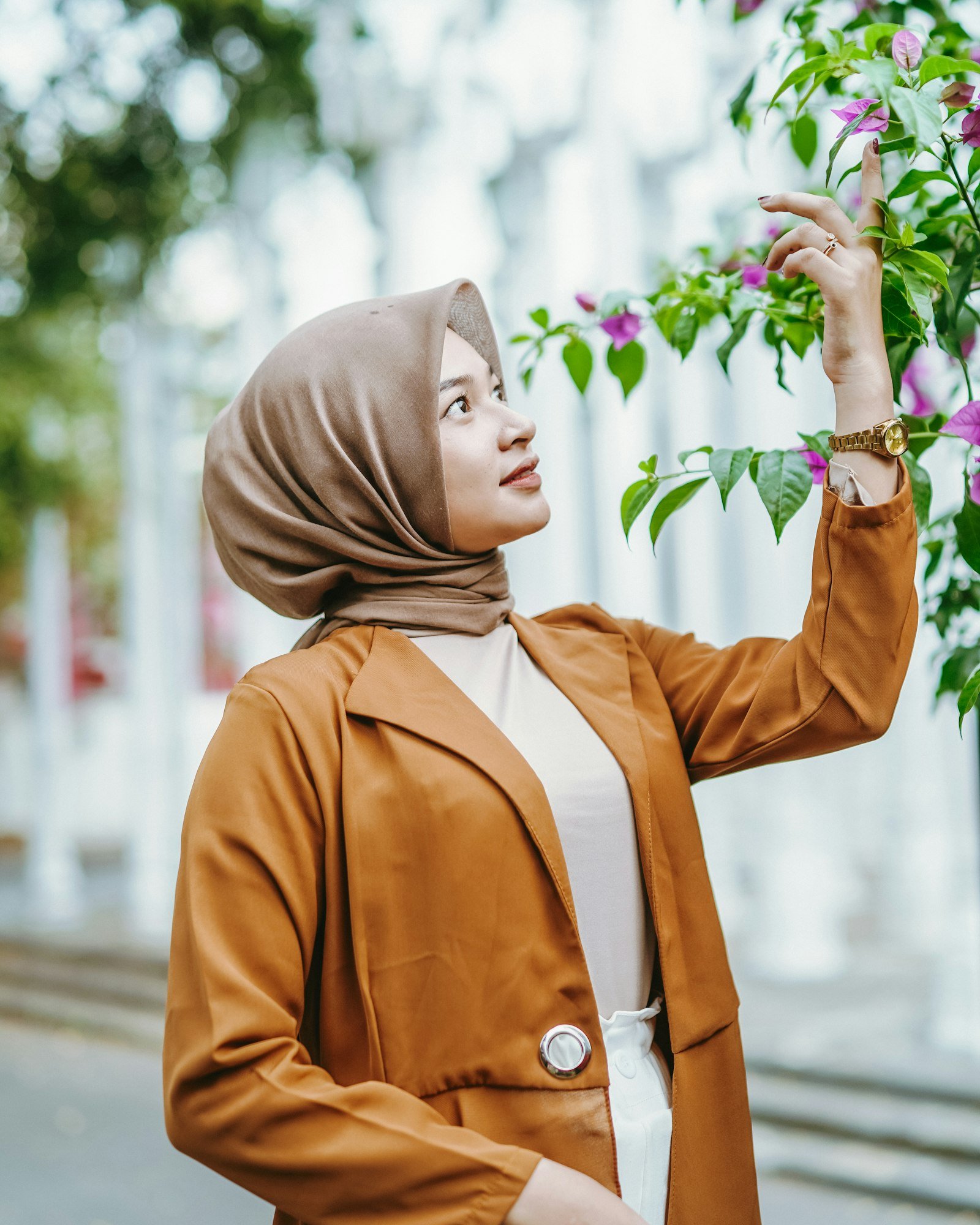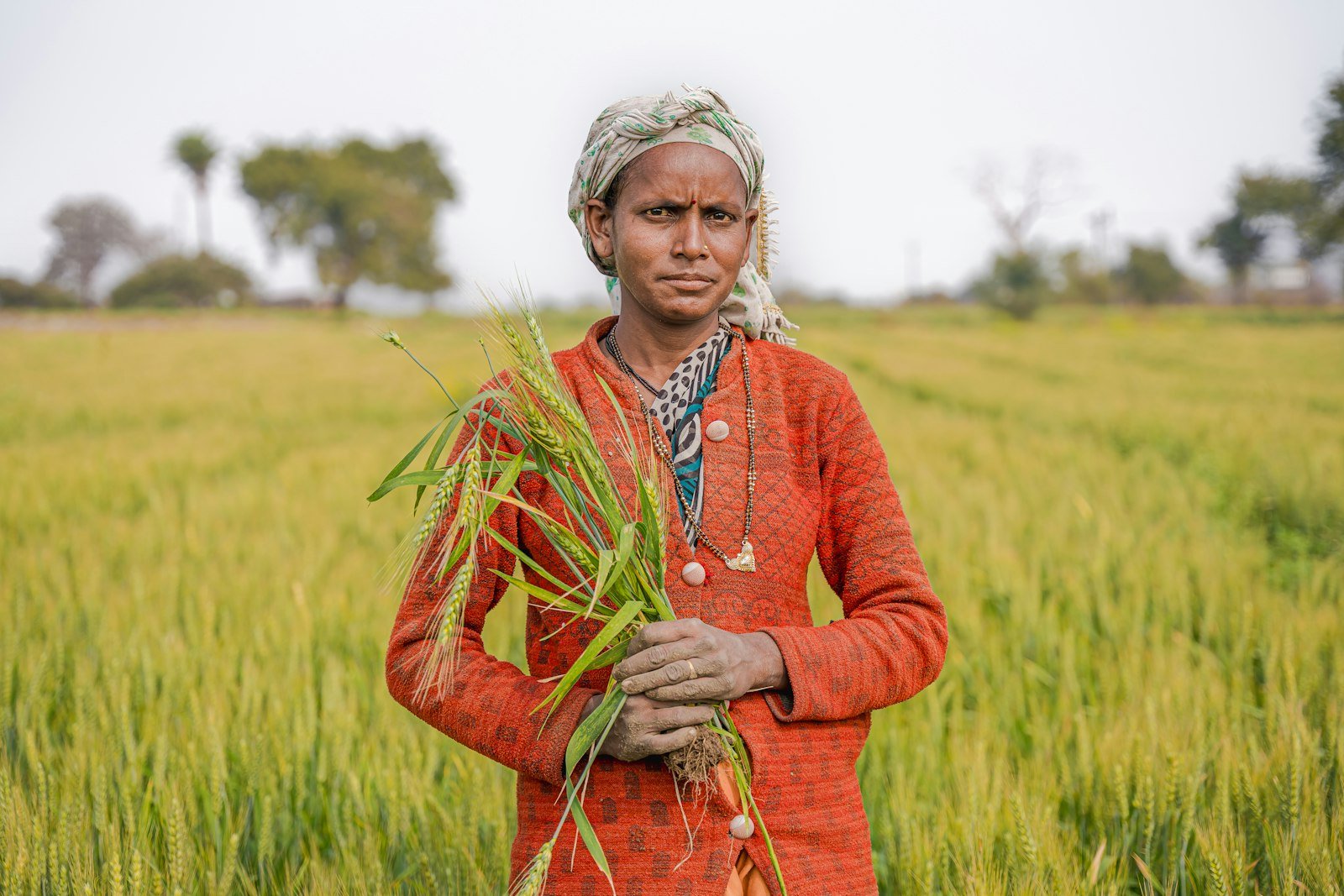
Ask a family in a village near Multan and a family in Karachi or Mumbai what they expect from a marriage, and you may hear very different answers. Both care deeply about respect, family honour and a stable home, but daily life, education and economic pressure shape their expectations in different ways.
Quick facts
- Rural girls in South Asia are more likely to marry before 18 than girls in cities.
- Every extra year of school is linked with later and safer marriages.
- City couples increasingly expect to discuss careers, housing and finances before marriage.
- In both settings, consent and education make marriages stronger.
Marriage in the village
In rural areas, marriage is usually a decision of the whole family. Matches are often made within the extended family, the same biraderi or a nearby village. This brings trust and support, since the families already know each other.
But there are challenges too. Girls in villages often leave school earlier, and early marriage is still common in some districts. According to national surveys, close to one in four young women in India and almost one in five in Pakistan were married before turning 18, with rates much higher in rural areas than in cities. Early marriage raises health risks for young mothers and often ends a girl’s education.
Marriage in the city
In cities, both young women and men are studying longer and working in offices, hospitals, schools and businesses. Many families still arrange marriages, but the couple usually has a bigger voice. Common questions now include:
- Will the bride continue her job or studies after marriage?
- Will the couple live with the joint family or separately?
- How will household costs and savings be shared?
- Where will the couple settle, in the same city, another city, or abroad in Dubai or Saudi Arabia?
City weddings can also be very expensive, with multiple events, designer outfits and big venues, which creates its own pressure on families.
What both can learn from each other
Village families often have strong support systems: relatives help with childcare, elders resolve disputes and the community celebrates together. City families often have more open communication between the couple and more focus on education and planning. The healthiest marriages tend to combine both: family support with the couple’s own voice.
How families can help
- Keep daughters in school as long as possible. Education is one of the best protections against early marriage.
- Ask the girl and the boy for their opinion, and listen to the answer.
- Wait until both are at least 18 and ready emotionally and financially.
- Keep wedding expenses within the family’s means and avoid dowry pressure.
- Get health tests such as the thalassemia carrier test before marriage.
Changing times
Mobile phones, social media and migration to the Gulf are changing village life quickly. Many rural youth now see the same opportunities and lifestyles as city youth. Families that talk openly about these changes, instead of avoiding them, usually find it easier to agree on a good match.
For legal requirements, read our guides to marriage in Pakistan and marriage in India.